
In the fast-paced world of construction, manufacturing, and logistics, efficiency and safety are key concerns. One groundbreaking solution that has revolutionized material handling is the vacuum lifting machine. These devices use suction technology to lift and move heavy objects, such as glass panels, steel plates, or stone slabs, without the need for manual labor or complex machinery. This has not only improved productivity but has also significantly reduced workplace injuries.
What is a Vacuum Lifting Machine?
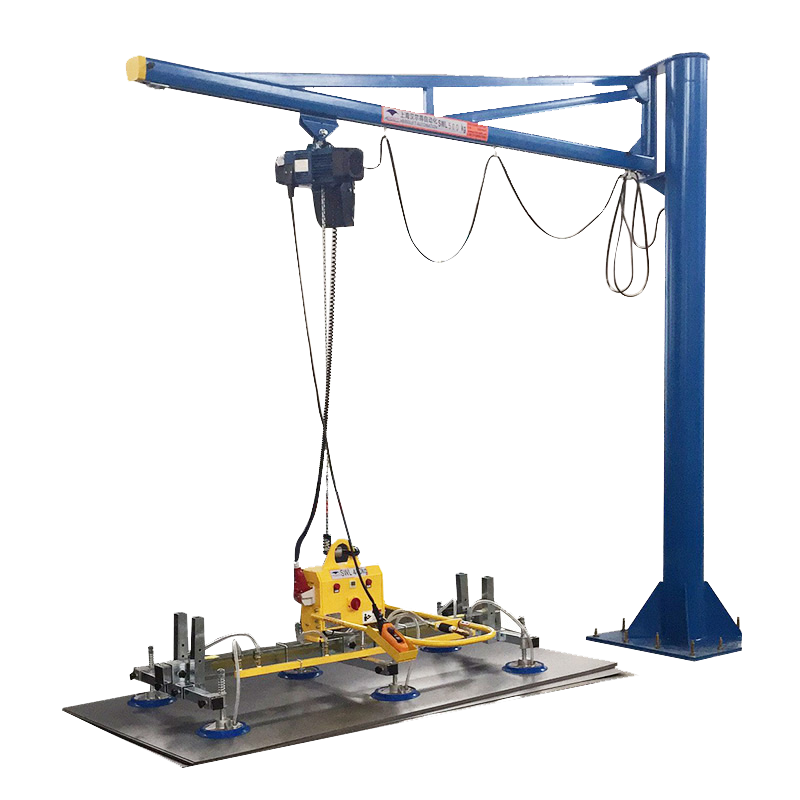
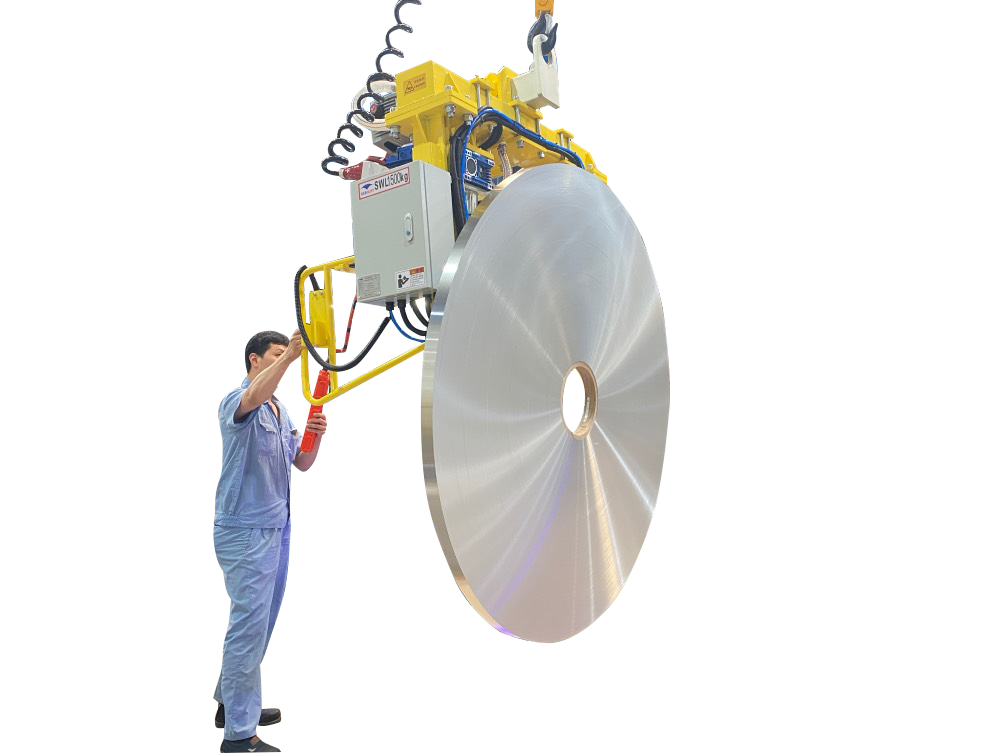
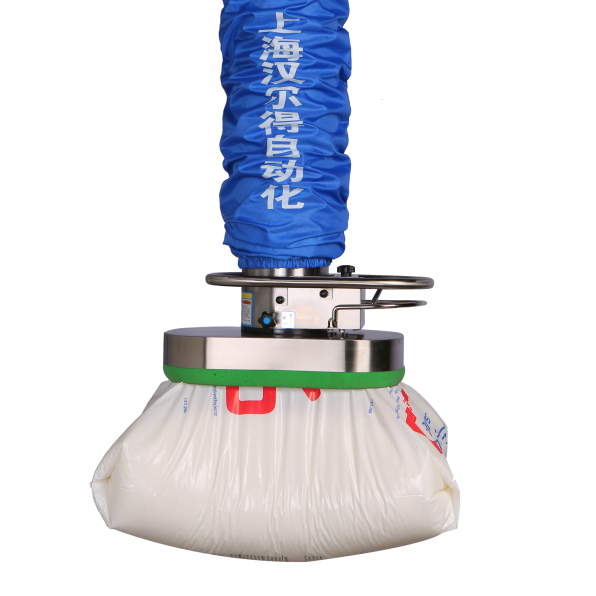
A vacuum lifting machine, also known as a vacuum suction lifter, operates by creating a vacuum (or negative pressure) between the device's suction pads and the material to be lifted. This creates a powerful grip that holds the material in place as it is moved. The technology works similarly to how a vacuum cleaner creates suction to pull dirt from a surface. When attached to a material, the suction pads generate a secure bond, allowing the operator to safely lift and transport the object.
These machines are typically powered by electricity, compressed air, or a combination of both, making them highly versatile. The lifting capacity of these machines can range from a few kilograms to several tons, depending on the design and application.
Applications Across Industries
The versatility of vacuum lifting machines allows them to be used across a wide range of industries:
Construction: Vacuum lifting devices are commonly used for handling glass, stone, and concrete panels. They enable workers to safely install windows, facades, and other heavy materials, reducing the need for scaffolding or cranes.
Manufacturing: In factories and production lines, vacuum lifting machines are invaluable for lifting large sheets of metal, plastic, or other materials. They enhance efficiency by reducing the time spent on manual handling and minimizing the risk of damage to sensitive materials.
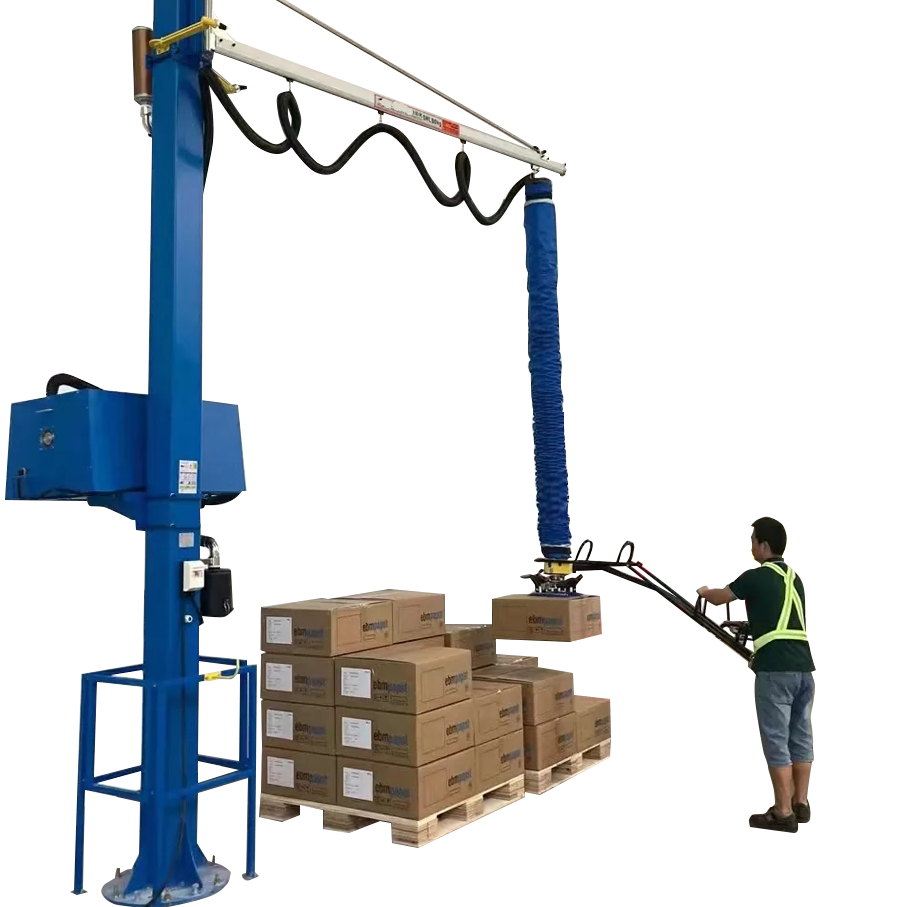
Logistics and Warehousing: Vacuum lifters are also used in warehouses to move heavy goods, especially items that are awkward to handle manually. They can pick up materials like tiles, crates, and wooden panels, improving the speed of loading and unloading operations.
Benefits of Vacuum Lifting Machines
Improved Safety: One of the primary advantages of vacuum lifting systems is the reduction in workplace injuries. Workers no longer need to strain themselves while lifting heavy materials, which can lead to musculoskeletal injuries. The automated lifting process also decreases the chances of accidental drops or damage.
Increased Efficiency: These machines allow for faster, more precise lifting and placement of materials. This reduces downtime, enhances workflow, and increases overall productivity, which is crucial in industries where time is money.
Cost-Effective: While the initial investment in a vacuum lifting machine can be significant, the long-term benefits far outweigh the costs. Reduced labor costs, fewer workplace accidents, and improved handling all contribute to a lower total cost of ownership.
Versatility: Vacuum lifters can handle a wide range of materials, from glass and metal to concrete and plastics. The devices come in various sizes and configurations, allowing them to be adapted to specific tasks and environments.
Conclusion
Vacuum lifting machines are transforming industries that require the movement of heavy and delicate materials. Their ability to enhance safety, increase efficiency, and provide versatility makes them an essential tool in modern workplaces. Whether you're working in construction, manufacturing, or logistics, investing in a vacuum lifting system could provide the competitive edge you need to stay ahead in the industry.
Post time: Apr-14-2026